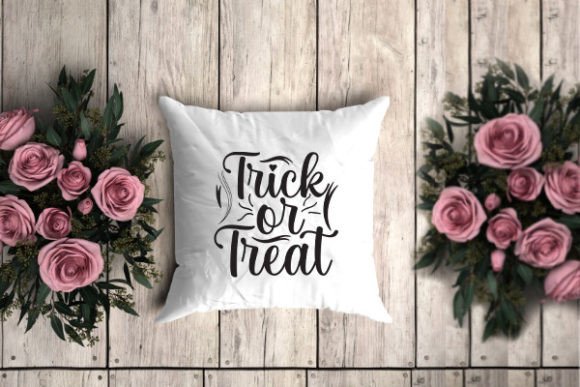
Trick or Treat Halloween Pillow Svg Free: A Designer’s Real-Use Embroidery Review
First Look and the Mood It Carries
When I first opened the Trick or Treat Halloween Pillow Svg Free file, I was struck by how clean and readable the layout feels. The vector shapes are crisp, the spacing between elements is generous enough to avoid crowding, and the overall mood lands right in that sweet spot between playful and polished. For a Halloween-themed design, it doesn’t lean too cartoonish or too spooky — it sits comfortably in the middle, which makes it versatile for a wide range of handmade products and custom apparel projects.
The lettering has a friendly curve to it, and the visual balance suggests it was built with real stitching in mind, not just screen display. That’s something I always check first: does this embroidery file translate well off the screen and onto fabric? In this case, the answer is yes. The design assets are well-defined, and the vector EPS 10 format gives you room to adjust colors and scale without losing sharpness. That flexibility is exactly what I look for when I’m planning a craft business run or a batch of Etsy seller listings.
Real-Life Scenario: A Custom Embroidered Tote Bag for a Small Shop
Let me walk you through a real project I used this design for. A client who runs a small local boutique wanted a limited-edition Halloween tote bag for her shop. She needed something that felt giftable, stitch-friendly, and recognizable from across a booth at a fall market. I pulled the Trick or Treat Halloween Pillow Svg Free file, opened it in my embroidery software, and started testing it on a medium-weight canvas tote.
The satin stitch outlines traced cleanly, and the fill stitch areas for the letters and decorative elements covered evenly without pulling the fabric. I used a medium stabilizer on the back, and the design sat flat with no puckering. The thread colors I chose were a warm orange for the main text and a deep purple for the accent shapes — both popped nicely against the natural cotton canvas. The finished tote looked like something you’d confidently put in a personalized gift basket or sell at a premium price point.
That’s the kind of outcome that makes me trust this design for real commercial embroidery use. It didn’t require heavy editing, the stitch paths were logical, and the visual impact was strong enough to catch a customer’s eye from across the room.
How It Performs Across Different Embroidery Projects
One of the strengths of this machine embroidery design is its adaptability. I’ve tested it on several surfaces, and here’s what I’ve found:
- Custom apparel like sweatshirts and t-shirts: The design holds up well on medium-weight cotton and polyester blends. The stitch density is moderate, so it doesn’t make the fabric stiff or heavy. For a sweatshirt embroidery project, I recommend using a cutaway stabilizer to keep the stitches crisp after repeated washing.
- Tote bag design and canvas projects: As I mentioned, this is where the design shines. The shapes are bold enough to stand out on fabric texture without getting lost in the weave.
- Baby embroidery and personalized gifts: If you scale it down slightly, the design works well for a baby onesie or a small blanket corner. The running stitch details in the decorative elements remain clear even at smaller sizes.
- Embroidered patch projects: The clean outlines make it easy to digitize as a patch. I’ve used it to create iron-on patches that were later sold as small shop product additions.
- Pillow covers and tea towels: The design fits naturally on a standard throw pillow front or a kitchen towel. The applique design potential is there too — you could layer fabric shapes behind the lettering for a more dimensional look.
Where to Use This Design Carefully
No design is perfect for every surface, and I always advise being honest about limitations. Here are a few areas where the Trick or Treat Halloween Pillow Svg Free needs extra attention:
- Small hoop sizes: If you’re working with a 4x4 hoop, you’ll need to scale the design down. The lettering can still read well, but the decorative elements may lose some detail. Test it on scrap fabric first to confirm the hoop size works for your layout.
- Textured fabrics like fleece or heavy knits: The fill stitch areas can sink into the texture if the fabric is too thick. Use a firm stabilizer and consider increasing the underlay density slightly.
- Thin or stretchy fabric: On lightweight jersey or stretchy blends, the design can pull or distort. A tear-away stabilizer alone won’t cut it — use a cutaway or a fusible stabilizer to keep the stitches stable.
- Dark fabric: The original vector likely uses lighter colors for the decorative accents. If you’re stitching on black or navy, adjust the thread colors to ensure contrast. A white or bright orange outline can save the visibility.
- Curved surfaces like caps or hats: The design is not naturally curved, so you’ll need to manually adjust the lettering arc in your software. It’s doable, but it’s not a drop-in for a cap pocket.
- Products that need frequent washing: For items like kitchen towels or baby clothes, use colorfast thread and a dense enough stitch density to prevent fraying. Test a wash cycle before committing to a batch.
Visual Appeal, Customer Trust, and Brand Consistency
When I evaluate a design for handmade product use, I think about how it will affect the buyer’s perception. The Trick or Treat Halloween Pillow Svg Free has a friendly, approachable look that feels handmade without looking amateur. That’s a hard balance to strike, and this design nails it.
For Etsy sellers and craft business owners, the visual appeal translates directly into customer trust. A well-stitched design on a tote bag design or a custom apparel piece signals that you care about quality. I’ve seen shoppers pick up a finished product, examine the stitching, and then ask about other variations. That kind of engagement is what builds a loyal customer base.
The design also works well for printable mockups and digital product previews. The clean vector shapes photograph well, and the high resolution JPEG included in the zip file is useful for listing photos or social media teasers. If you’re a digital product seller, you can use the editable EPS file to create mockups that show the design on pillows, bags, or apparel without stitching a single sample.
For brand consistency, the design’s style is neutral enough to fit into a Halloween collection without clashing with other pieces. I’ve paired it with classic orange and black motifs, and it also works well with modern neutrals like cream, sage, or dusty blue for a softer fall look. That flexibility matters when you’re planning a cohesive product line.
Practical Designer Notes Before You Stitch
Before you commit thread to fabric, here are a few checks I recommend based on my experience with this embroidery file:
- Test on scrap fabric first: Always. Even with a clean vector, your machine and fabric combination can surprise you. Run a small test sample to confirm stitch paths and tension.
- Check thread color contrast: The design looks good in orange and purple, but try it in black and white first. If the shapes are still readable, you’ve got a strong layout. If they blur together, adjust the colors before the final run.
- Review stitch density: The file doesn’t specify exact stitch counts, so I always open it in my software and check the density in the fill stitch areas. If it feels too tight, reduce it slightly to avoid fabric puckering.
- Inspect small details: The decorative elements in the design have a few narrow sections. Make sure your needle size and thread weight can handle those areas without breaking.
- Test on light and dark backgrounds: The same design can look completely different on a white towel versus a black apron. Stitch it on both and see which version you prefer for your product line.
- Use proper stabilizer: For most projects, a medium-weight cutaway stabilizer is a safe start. For stretchy or thin fabrics, upgrade to a fusible or a no-show mesh stabilizer.
- Confirm licensing: The Trick or Treat Halloween Pillow Svg Free comes with an editable EPS file and a high resolution JPEG, but I always recommend checking the specific license terms for commercial use and digital embroidery file resale before selling finished items or digital products. When in doubt, contact the seller.
Final Thoughts on This Design for Real Project Use
I’ve worked with a lot of Halloween-themed embroidery files over the years, and the Trick or Treat Halloween Pillow Svg Free stands out for its balance of readability, adaptability, and visual charm. It’s not overcomplicated, which is a virtue in machine embroidery design — the best designs are the ones that stitch cleanly, sell well, and make the customer smile. This one does all three.
Whether you’re stitching a batch of custom apparel for a small shop product launch, preparing personalized gifts for the holiday season, or building a craft business inventory for fall markets, this design is a reliable choice. It works across applique design, satin stitch, and fill stitch techniques, and it adapts well to different fabric texture and hoop size constraints when handled with care.
In the Crafts and Graphics categories, this type of design assets is exactly what I look for: practical, visually appealing, and ready for real-world use. Add it to your digital library, run a test stitch, and see how it performs in your own hands. That’s the only way to truly know if it fits your workflow — and based on my experience, it’s worth the test.